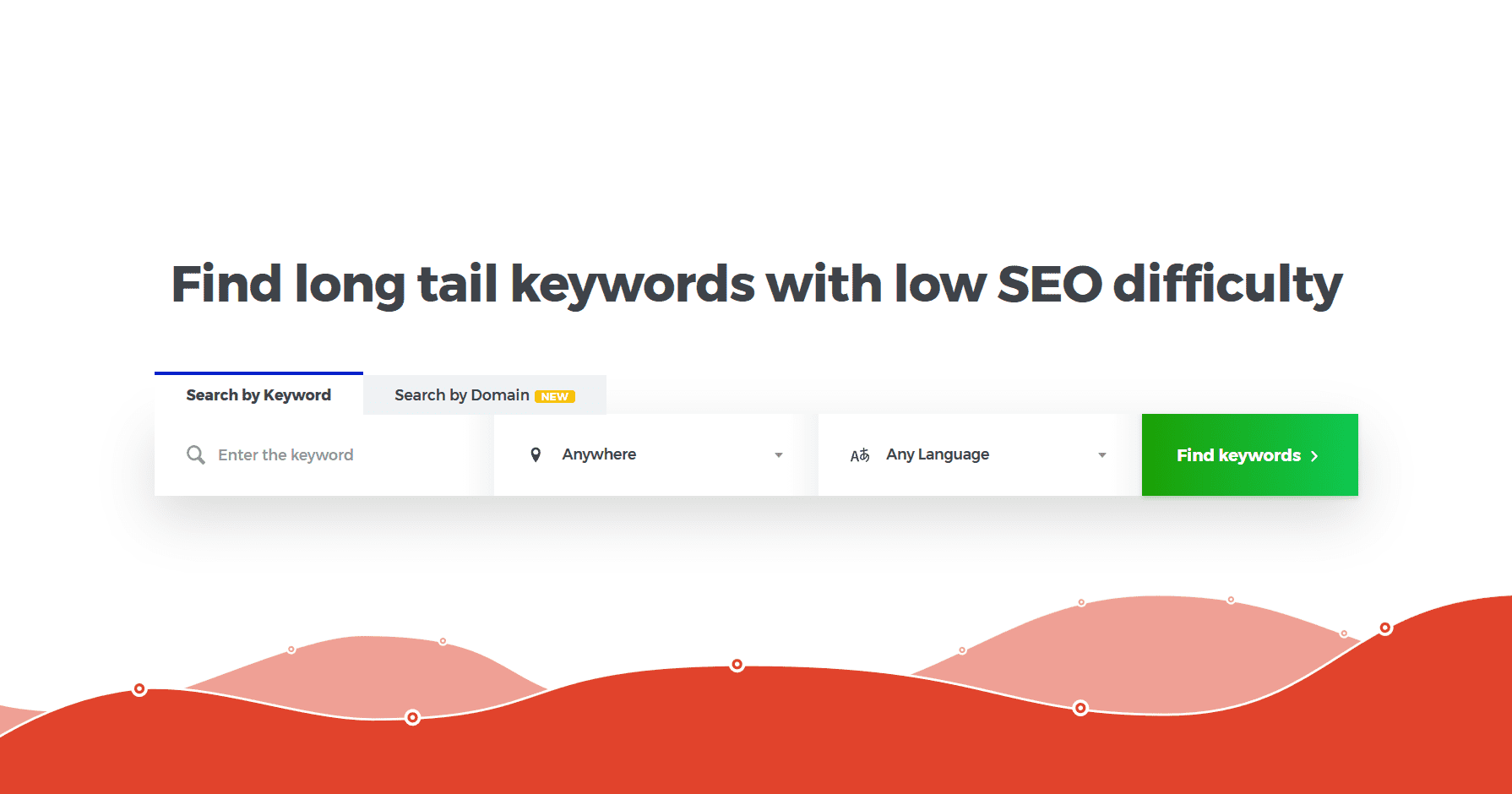

Features & Use Cases
- Keyword discovery
- Search volume and difficulty estimates
- SERP and intent analysis
- Content gap research
- Keyword grouping
- Exportable keyword lists
- Competitor Analysis
- Keyword Research
- SEO Optimization
Pros & Cons
- Approachable interface for non-enterprise teams
- Strong keyword and live-SERP research workflow
- Useful local data and rank tracking
- Integrated backlink and domain research
- Free account and practical mini tools
- Not a full technical-site crawler
- Metrics remain estimates that require validation
- Usage limits can constrain agencies
- Multi-tool workflow is less unified than some suites
- AI visibility signals need human interpretation
Full Review
Editorial verdict
Mangools is a focused SEO toolkit for marketers who want usable keyword, ranking, backlink, and competitor data without the complexity of a heavyweight enterprise platform. Its strongest fit is freelancers, bloggers, small businesses, and lean marketing teams that need to choose attainable search topics, inspect the pages already ranking, and track whether their work is improving.
The suite is easier to learn than many broad SEO platforms, but buyers should understand the boundary: Mangools helps with research and monitoring; it does not replace technical crawling, content expertise, analytics, or a disciplined publishing process.
What Mangools includes
- KWFinder: keyword ideas, search-volume trends, keyword difficulty, intent signals, local data, and competitor keyword research.
- SERPChecker: analysis of the pages and domains competing in a search result.
- SERPWatcher: rank tracking for target keywords and locations.
- LinkMiner: backlink discovery and link-profile review.
- SiteProfiler: high-level authority, traffic, backlink, and competitor signals for a domain.
- AI Search Watcher and free utilities: emerging AI-visibility monitoring plus tools such as a SERP simulator, location changer, AI Search Grader, and SEO Content Optimizer.
Who should use it?
Mangools is a good choice for solo site owners, content teams, freelance SEOs, and agencies that prioritize keyword discovery and straightforward reporting. It is especially useful when the decision is not “What could we write?” but “Which topic can this site realistically win, in which market, and how will we measure progress?”
Large SEO departments may outgrow it if they need enterprise-scale crawling, log-file analysis, extensive workflow controls, or one database that covers every technical and competitive use case.
What it does well
Turns keyword lists into better decisions
KWFinder combines volume, difficulty, intent, trends, location, and the current results page. That context is more valuable than exporting thousands of phrases: it helps a team distinguish an attractive opportunity from a keyword dominated by stronger sites or the wrong search intent.
Keeps the workflow approachable
The products are separated by job, so a beginner can move from discovery to SERP validation, rank tracking, backlink review, and domain research without navigating a dense enterprise interface. Mangools says its keyword database covers more than 2.5 billion keywords and supports over 65,000 city-level locations.
Supports local and competitive research
City-level research, competitor keywords, SERP inspection, and rank monitoring make the suite useful for local businesses and consultants managing multiple markets. The free SERP Location Changer is also a practical way to inspect geographically different results.
Plans and purchasing considerations
Mangools currently presents three paid tiers: Basic for solo operators and freelance marketers, Premium for marketing teams and specialists, and Agency for professional SEOs and agencies. The plans cover the same core jobs—keyword research, suggestions, SERP analysis, rank tracking, backlinks, and site analysis—but differ in usage limits and team capacity. Extra seats are available.
The official site also offers free account creation without a credit card. Paid subscriptions renew automatically until disabled, can be upgraded, downgraded, or cancelled from the account, and have a 48-hour refund window under Mangools’ stated conditions. Because prices and quotas can change or vary with billing terms, confirm the live table against your expected monthly searches, tracked keywords, and seats before purchasing.
Limitations to understand
- Keyword difficulty, volume, traffic, and authority metrics are estimates; validate important decisions with Search Console, analytics, and the live SERP.
- It is not a full technical-site crawler, so complex audits may require a companion product.
- Separating the workflow into multiple tools is clear, but frequent cross-tool work may feel less unified than an all-in-one platform.
- AI visibility and AI-assisted features are useful signals, not proof of brand influence or a substitute for human analysis.
- Usage limits matter. Agencies should model client volume and reporting needs before choosing a tier.
A practical evaluation test
- Choose one existing site, one market, and ten commercially relevant seed topics.
- Use KWFinder to identify lower-difficulty variations, then inspect intent and the actual ranking pages in SERPChecker.
- Reject phrases where the results do not match your offer, even if volume looks attractive.
- Add a small set to SERPWatcher and compare location-specific tracking with Search Console data for two to four weeks.
- Use LinkMiner and SiteProfiler on three true search competitors, not merely famous brands in the category.
- Record how many insights produce a concrete action: a new brief, a rewritten page, an internal-link change, a local landing page, or an outreach target.
- Estimate the plan required at full workload, including seats, daily lookups, tracked keywords, and client domains.
If the suite consistently shortens research time and improves topic selection, it is delivering value. If your main bottleneck is technical remediation, content production, or analytics attribution, purchase a tool aimed at that bottleneck instead.
Alternatives
Ahrefs and Semrush offer broader competitive and technical datasets but usually demand more budget and training. SE Ranking is a closer all-in-one option for teams that want auditing and reporting alongside rank tracking. LowFruits emphasizes finding weak competition, while Google Search Console remains essential for first-party performance data.
Final recommendation
Choose Mangools when ease of use, keyword research, local SERP analysis, and rank monitoring are the priority. Start with a free account, test it on a real campaign, and select a paid tier only after measuring the lookup and tracking limits your workflow actually consumes.
Research note: This review was checked against Mangools’ official product overview and plans-and-pricing pages. Product limits and prices can change; verify the live offer before buying.
Ready to try Mangools?
Visit the official site to explore plans, demos & free options.