

The rise of generative artificial intelligence has fundamentally altered the academic landscape. Since the launch of ChatGPT in late 2022, AI writing tools have become deeply embedded in student life, enabling the rapid generation of essays, research papers, and discussion posts that were once the exclusive product of human effort. For educators, this shift has created a pressing and increasingly urgent question: how do you tell the difference between a student’s genuine work and content produced by a machine?
This is precisely where Canvas AI detectors come into the picture.
Canvas is one of the most widely adopted Learning Management Systems (LMS) in the world, currently used by more than 40 percent of higher education institutions across North America. From K-12 classrooms to graduate programs, Canvas serves as the digital backbone through which students submit assignments, receive feedback, and engage with course content. While Canvas itself does not include a native, built-in AI content detector, its flexible architecture supports seamless integration with third-party AI detection tools—making it a powerful hub for maintaining academic integrity
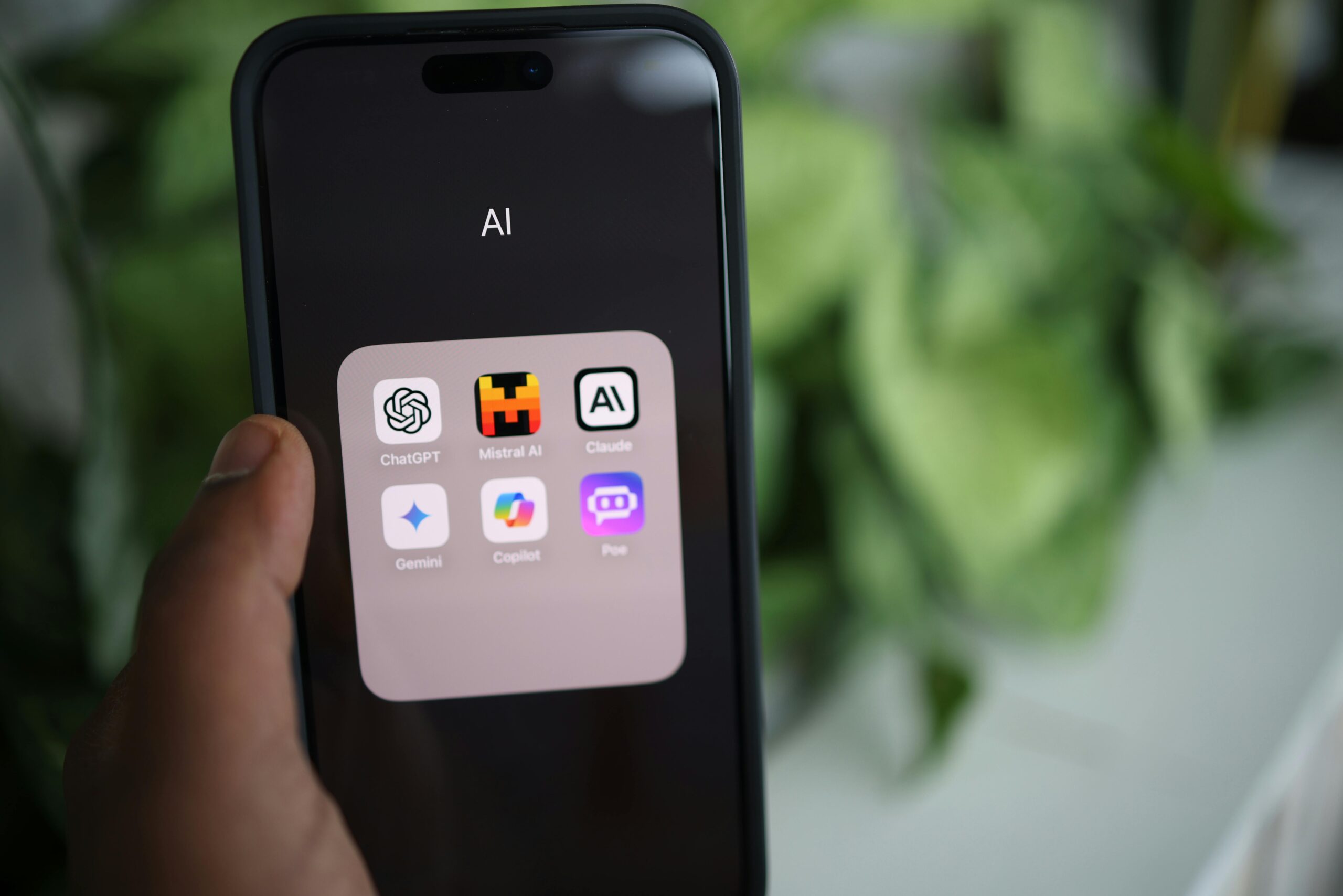
Canvas AI detectors refer broadly to the ecosystem of tools and integrations designed to identify AI-generated content within Canvas submissions. These include dedicated platforms such as Turnitin’s AI writing detection, Copyleaks, and GPTZero, as well as standalone tools purpose-built for the Canvas environment. At their core, these systems analyze submitted text for linguistic patterns, structural anomalies, and statistical markers that are characteristic of machine-generated writing—such as unusually consistent grammar, repetitive phrasing, lack of stylistic variation, and probabilistic sentence structures associated with large language models like GPT-4, Claude, and Gemini.
When integrated with Canvas’s SpeedGrader and assignment workflows, these tools can automatically scan student submissions at the moment of submission, generating probability scores and detailed reports that highlight potentially AI-generated sections. Copyleaks, one of the most commonly used integrations, scores AI detection separately from traditional plagiarism detection and provides a phrase-level analysis showing whether individual sentences are more likely to be human-written or AI-generated.
However, Canvas AI detectors are not infallible, and educators are advised to treat their outputs as one data point rather than definitive proof of misconduct. False positives remain a documented limitation—particularly for students writing in formal or technical registers, and for non-native English speakers whose writing style may inadvertently resemble AI output. Even Canvas’s own chief architect has acknowledged that “asking AI if something came from AI is a recipe for disaster and disappointment”, underscoring the need for human judgment to remain central to any academic integrity evaluation.
As AI tools grow more sophisticated and agentic AI systems capable of completing entire course assignments emerge, the stakes for institutions have never been higher. Canvas AI detectors represent the educational community’s active effort to adapt—preserving the value of authentic learning while navigating a technological landscape that shows no signs of slowing down. Understanding how these tools work, what they can and cannot do, and how to apply their findings responsibly is now an essential competency for every educator operating in a modern classroom.
Can Canvas Really Detect AI?
Millions of students submit assignments through Canvas every day. As AI writing tools like ChatGPT become impossible to ignore, one question keeps coming up in faculty meetings and academic integrity committees alike: Can Canvas really detect AI? The answer is more complicated than a simple yes or no.
What Canvas Actually Uses
Can Canvas really detect AI on its own? No — Canvas has no built-in AI detection as of 2025. Instead, it connects to third-party tools through its open integration framework. Turnitin powers roughly 80% of AI detection inside Canvas environments, while Copyleaks and GPTZero account for most of the rest.
How Accurate Are These Tools?
So can Canvas really detect AI with enough reliability to act on? The numbers look promising at first glance. Turnitin claims 98% accuracy for submissions over 300 words, while Copyleaks reports a 99% detection rate with a 0.03% false positive rate.2 GPTZero reaches 99% accuracy on purely AI-generated content but drops to 89–93% when a student mixes AI with their own writing.
Key Limitations to Understand
Can Canvas really detect AI when students use humanizer tools or paraphrase outputs? Detection accuracy drops significantly in those cases.2 False positives also remain a documented problem — particularly for non-native English speakers whose writing style may resemble AI output. Some institutions have even disabled Turnitin’s AI detection feature entirely because of wrongful flags. read more on What is the 30% rule for AI?